
Ask Jared, Your San Diego Dog WalkerYour Go-To Guide for a Happy Dog:
Latest Developments in Dog Allergies: A Comprehensive Guide for Pet Parents
For many dogs, constant itching, licking, and scratching are more than just a nuisance—they are signs of an allergic condition that can significantly impact their quality of life. Thanks to recent advancements in veterinary dermatology, managing these allergies has become more effective and personalized than ever before. From new genetic testing to advanced treatments, here's what modern pet parents need to know.
What's behind your dog's itch?
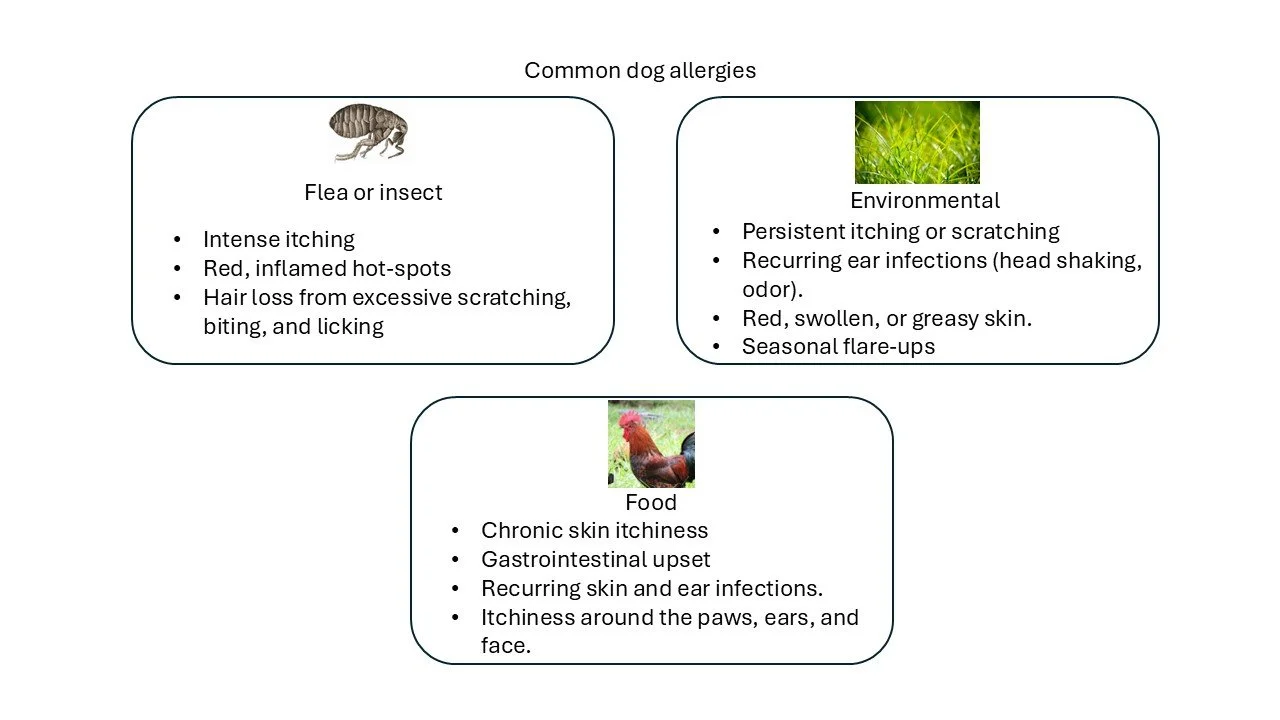
First, it's helpful to understand the different types of canine allergies:
Flea allergy dermatitis: An allergic reaction to a flea's saliva.
Food allergy: A hypersensitivity to a specific protein in a dog's food. This is less common than environmental allergies.
Canine atopic dermatitis (environmental allergies): An inflammatory skin disease caused by airborne allergens like pollen, mold, and dust mites. It is the most common type of allergy in dogs.
A new era of diagnosis
Pinpointing the cause of your dog's allergies has become more precise.
Genetic testing
Scientists have identified specific genetic markers that can predispose certain breeds to atopic dermatitis. For example, a recent study by Wisdom Panel found a variant in the SLAMF1 gene that nearly doubles a French Bulldog's or Boxer's risk of developing environmental allergies.
How it helps: This information can help breeders make better decisions and allow owners and veterinarians to be proactive with at-risk dogs.
Advanced allergy testing
For environmental allergens, veterinarians have better testing methods to formulate effective treatment plans.
Ultrafiltered extracts: New research has shown that a newer, ultrafiltered method of preparing dog allergen extracts for testing can identify significantly more positive cases than older methods.
Next-generation sequencing (NGS): This new diagnostic tool analyzes the skin microbiome to identify bacterial and fungal overgrowth, which is common in dogs with atopic dermatitis. NGS is superior to older methods like culturing because it can detect a wider range of pathogens and provides a more comprehensive microbial profile.
Breakthrough treatments for long-lasting relief
For decades, managing allergies relied on symptomatic treatments like steroids, which have significant side effects with long-term use. Today's options offer targeted relief with fewer side effects.
Oral medications (JAK inhibitors)
Apoquel (oclacitinib): This medication works by targeting the specific enzymes (Janus kinases) that cause itching and inflammation. It provides fast relief for allergic and atopic dermatitis in dogs over 12 months old. A chewable version is now also available.
Zenrelia (ilunocitinib): Approved by the FDA in 2024, Zenrelia is another oral JAK inhibitor for controlling pruritus and atopic dermatitis. It provides effective, once-daily relief but carries warnings about vaccine interference, so be sure to discuss your dog's vaccination schedule with your vet.
Monoclonal antibody therapy
Cytopoint (lokivetmab): This injectable medication uses targeted antibodies to neutralize interleukin-31, a key protein that triggers the sensation of itch. It is a safe, long-lasting, and non-drug alternative that provides relief for four to eight weeks per injection.
Allergen-specific immunotherapy (ASIT)
Often considered the most targeted treatment, ASIT works by desensitizing your dog's immune system to the specific allergens that trigger their response.
“Immunotherapy is a long-term, individualized approach to managing allergies in pets. By helping the immune system respond more appropriately to allergens, it can reduce symptoms over time and decrease reliance on medications, supporting lasting relief and comfort.” - Animal Dermatology Clinic, San Diego
How it works: Based on the results of allergy testing, a custom "allergy vaccine" is formulated. It is typically administered through injections or oral drops given at home.
Benefits: ASIT is the only treatment that can change the underlying allergic disease, with studies showing significant improvement in the quality of life for dogs and their owners.
The future of allergy care
As research continues, the horizon for dog allergy management looks promising:
Microbiome-targeted therapies: Studies on the gut-skin axis show that therapies using "good" bacteria, such as a heat-killed Lactobacillus spray, could improve skin health and allergy symptoms.
Novel diet options: In recent years, therapeutic diets containing unique protein sources have also been developed and proven effective for some dogs with atopic dermatitis.
A final word
While no cure for dog allergies exists yet, a combination of targeted therapies and proactive management can make a world of difference for your dog's comfort. If you notice your pet is constantly itchy, consult with your veterinarian to explore the latest diagnostic and treatment options available.
I'm a certified pet sitter (which includes dog walking) by the National Association of Professional Pet Sitters, Pet Sitters International, Red Cross Pet First Aid Certified, Bonded, Insured and have over 50 five-star reviews on Google.
You can learn more about me by visiting my Website which is www.sandiegodogwalker.com.
#dogallergies #itchydog #allergicdog #dogskinissues #apoquel #cytopoint #dogwellness #sandiegodogwalker #SanDiegoDogs #ClairemontDogs #MissionValleyDogs #HillcrestDogs #NorthParkDogs
