
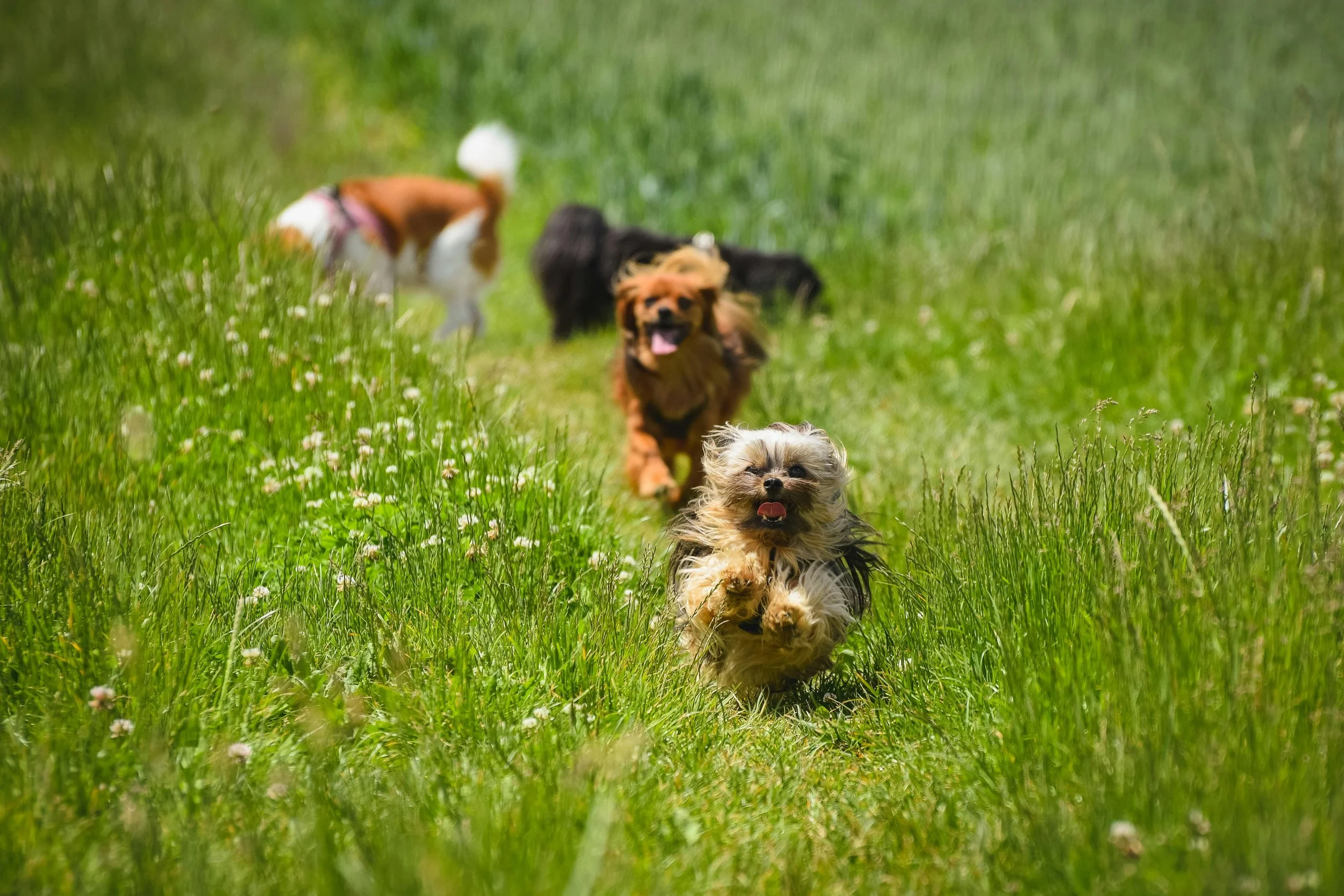
Photo credit: Alexis Fotos (via Pexels)
Is My Pet at a Healhty Weight? A Guide for the Concerned (and slightly overindulgent) Pet Parent
We love our furry, scaly, and feathered companions fiercely. We shower them with affection, provide them with cozy beds, and, let's be honest, sometimes sneak them a little extra treat under the table. But in our boundless love, are we inadvertently loving them a little too much, especially when it comes to food? Determining if your pet is at a healthy weight is crucial for their long-term well-being, and it's a question every responsible pet parent should ponder.
Unlike us humans with our ever-shifting waistlines and complicated relationships with scales, assessing a pet's weight can be a bit more nuanced. Your vet is, of course, the ultimate authority, but you can perform some initial assessments at home. Think of yourself as a pet detective, gathering clues to solve the mystery of the ideal physique.
The Hands-On Approach: Feel the Ribs!
This is a primary method for evaluating body condition, particularly in dogs and cats. Gently run your hands along your pet's ribcage. You should be able to feel the ribs relatively easily, like feeling the knuckles on the back of your hand when your hand is flat. There should be a thin layer of fat covering them, but they shouldn't be buried under a thick padding.
Too prominent? If the ribs feel sharp and are easily visible, your pet might be underweight.
Can't feel them at all? Uh oh. This is a strong indicator that your pet is likely overweight, and those "love handles" are more than just extra cuddliness.
Just right? If you can feel the ribs with slight pressure, they're likely at a healthy weight. Goldilocks would be proud!
The Visual Inspection: Look for the Telltale Signs
Step back and take a good look at your pet from the side and from above.
The Tuck: When viewed from the side, there should be an "abdominal tuck," meaning the belly should slope upwards from the ribcage towards the hind legs. A straight or bulging belly suggests excess weight.
The Waist: Looking down from above, you should be able to see a discernible waistline behind the ribs. If your pet resembles more of a furry sausage than an hourglass, they might be carrying extra pounds.
Beyond the Basics: Considering Breed and Body Type
It's important to remember that breed and body type play a significant role. A lean, athletic Greyhound will naturally have a different physique than a stocky Bulldog. Similarly, a Persian cat with its fluffy coat might hide extra weight more easily than a sleek Siamese. Familiarize yourself with the typical healthy weight range and body condition for your pet's breed.
Why Does a Healthy Weight Matter?
“Overweight pets are at risk for health complications like diabetes and severe arthritis.” - Dr. Danielle Clem, Hospital Director, San Diego Humane Society. Being overweight or obese can lead to a host of serious health problems in pets, just like in humans. These include:
Joint problems and arthritis: Carrying extra weight puts significant stress on joints.
Diabetes: Obesity can disrupt insulin regulation.
Heart disease and high blood pressure: Excess fat can strain the cardiovascular system.
Breathing difficulties: Extra weight can compress the airways.
Reduced lifespan: Studies have shown that overweight pets tend to live shorter lives.
Taking Action: What to Do If Your Pet Needs to Lose (or Gain) Weight
If you suspect your pet is not at a healthy weight, the first and most crucial step is to consult your veterinarian. They can perform a thorough physical examination, determine your pet's ideal weight, and rule out any underlying medical conditions.
If weight loss is needed, your vet can help you develop a safe and effective plan, which may involve:
Dietary changes: Switching to a weight management food and carefully controlling portion sizes. Resist those pleading puppy-dog eyes!
Increased exercise: Gradually increasing physical activity appropriate for your pet's age and breed. Think more walks in the park, engaging play sessions, or even indoor agility courses.
Limiting treats: Those extra snacks add up! Opt for healthy, low-calorie treats or use praise and affection as rewards.
Maintaining a healthy weight is one of the most impactful things you can do for your beloved companion's health and happiness. By becoming a savvy pet detective and working closely with your veterinarian, you can ensure they live a longer, healthier, and more vibrant life by your side. Now, go give your pet a gentle feel – but maybe skip that extra biscuit this time!
I'm a certified pet sitter (which includes dog walking) by the National Association of Professional Pet Sitters, Pet Sitters International, Red Cross Pet First Aid Certified, Bonded, Insured and have over 50 5-star reviews on Google.
You can learn more about me by visiting my Website which is www.sandiegodogwalker.com.
#pethealth #petobesity #healthyweightforpets #nomorelovehandlespets #sandiegodogwalker #SanDiegoDogs #ClairemontDogs #MissionValleyDogs #HillcrestDogs #NorthParkDogs
